SaaS Development
How Much Does SaaS Development Cost in India?
CT
Celsys Tech Product Team📅 September 4, 2026
⏱️ 7 min read
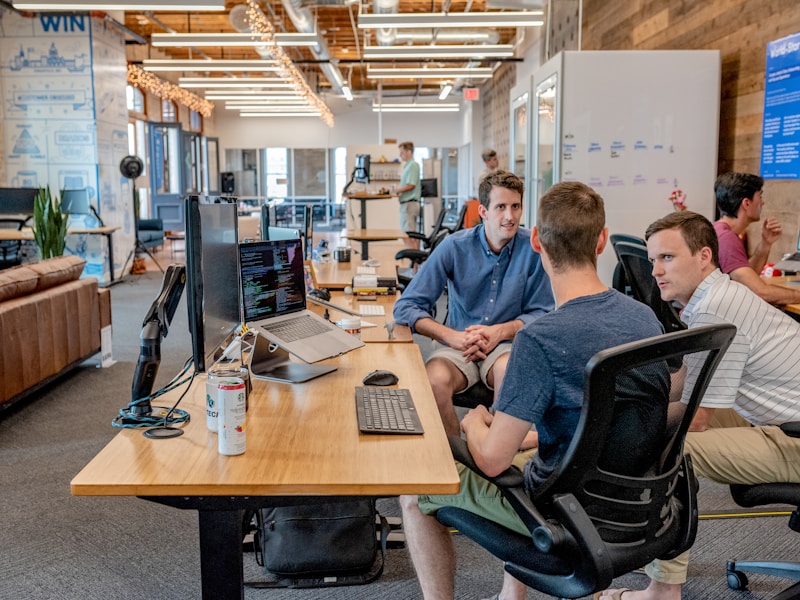
A practical SaaS development cost guide covering discovery, MVP scope, architecture, users, integrations, deployment, and ongoing product work.
SaaS development cost in India depends on the product workflow and the level of reliability required, not only on the number of screens. A focused MVP for one user type can be very different from a multi-tenant platform with roles, billing, analytics, integrations, background jobs, and advanced security. A realistic budget separates product discovery, design, development, testing, deployment, and post-launch improvement.
Discovery reduces uncertainty before the team commits to a large build. It should clarify the target customer, the problem, the workflow that creates value, the alternatives users have today, and the evidence needed to validate the idea. The output may include a product scope, user journeys, data model, technical architecture, first-release plan, and risks. Skipping this step often creates a larger MVP filled with features that do not prove the core value.
The first release should be narrow but complete. A SaaS MVP may need authentication, onboarding, a core workflow, data persistence, basic roles, notifications, error handling, analytics, and an understandable support path. It does not necessarily need every integration, advanced permission, automation, or customization requested for the long-term product. The goal is to give a real user a complete reason to return, learn, and provide feedback.
Architecture affects both initial and future cost. React and Next.js can support the product interface, while Node.js or Python can provide APIs and background services. PostgreSQL may store structured business data, Redis may support caching or queues, and AWS or another cloud platform may host the application. Multi-tenancy, access boundaries, audit history, file storage, search, billing, and reporting should be considered early even if only a subset is included in the MVP.
Integrations create effort beyond the happy path. Payments, email, calendars, CRMs, storage providers, messaging platforms, and external APIs can fail or change. A production SaaS needs authentication, retries, timeouts, validation, monitoring, and clear user feedback. Teams should also plan deployment environments, backups, logs, security reviews, and a way to identify which release introduced a problem.
Ongoing product work is part of SaaS economics. After launch, the team learns which workflows are used, where users stop, what support questions repeat, and which features lead to retention. Performance improvements, security updates, content, onboarding changes, integrations, and customer requests continue. A development partner should explain how support and future releases are handled rather than treating launch as the end of the relationship.
Celsys Tech helps founders and businesses plan SaaS products from MVP to production using React, Next.js, Node.js, Python, PostgreSQL, AWS, Docker, and API integrations. The best first conversation is about the customer, workflow, and proof you need from the first release. Once those are clear, the team can estimate the product with much more confidence.
Did you find this insightful?